

By David Garlock (Leading with Conviction™ 2019):
“Parole denied.” These are words that both Erik and Lyle Menendez heard last month. For so many who have been following their cases, it was a disheartening blow to so many other recent magical moments in their case.
This hearing was the result of a resentencing hearing. One in which the judge deemed that Erik and Lyle did possess the potential to be rehabilitated and someday released from the California DOCR. It provided them hope to be reunited with their family who has fought tirelessly for their release, traveling to hearings and speaking up on their behalf.
I have lived their life. My brother and I … were the same ages as Erik and Lyle, and our offense happened a decade later.
Was it really the infractions that caused them to be denied? I don’t believe that was the case. Too many parole boards put so much weight on the offense that was committed, even when parole is supposed to be about rehabilitation and their risk assessment. Erik and Lyle pose a very small likelihood of reoffending and going back to prison.
One of the factors to prevent recidivism is a strong support system. There is a village around Erik and Lyle. Over the years that system continues to grow as people come around and support the release of the brothers.
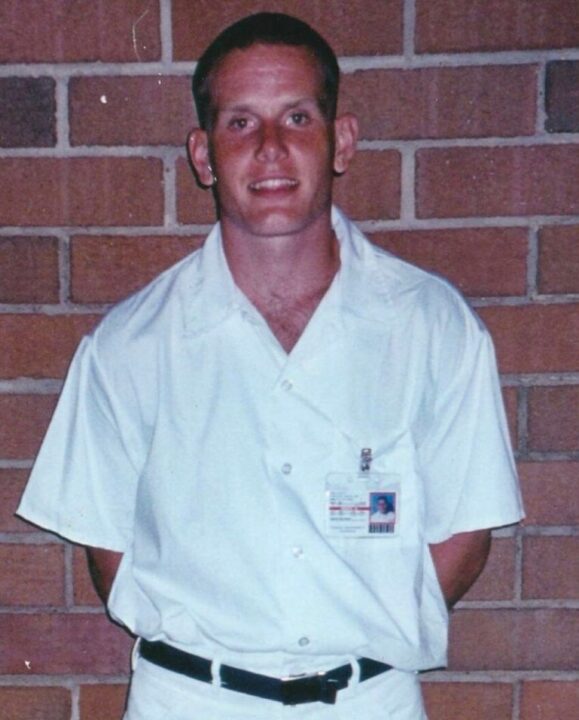 You might ask: How do you come up with that conclusion? I have lived their life. My brother and I were sexually abused, and we took the life of our abuser. My brother was 22, and I was 19 when it happened in 1999. We were the same ages as Erik and Lyle, and our offense happened a decade later. We received a 25-year sentence.
The stark difference is that my brother and I were paroled by Alabama and have each subsequently received a pardon. We are out living and succeeding, because we received that chance when the parole board said “parole granted.”
After decades behind bars, the question will be whether these men, now in their fifties, pose any threat to public safety. I can say from experience that they don’t. The person they were when the crime occurred doesn’t exist anymore. The danger ended the moment their abuser died. When society looks at cases like ours, it’s easy to get caught up in the crime itself and lose sight of the years of abuse that led to it. But if we truly believe in rehabilitation and second chances, then we have to apply that belief to everyone, especially those whose crimes were born of survival.
Releasing Lyle and Erik wouldn’t erase what happened in 1989. But it would acknowledge that justice is about more than punishment. It’s also about understanding, healing, and allowing people to live the rest of their lives in peace.

